BLOG1 PLN, Public Communication, and Digital Identity
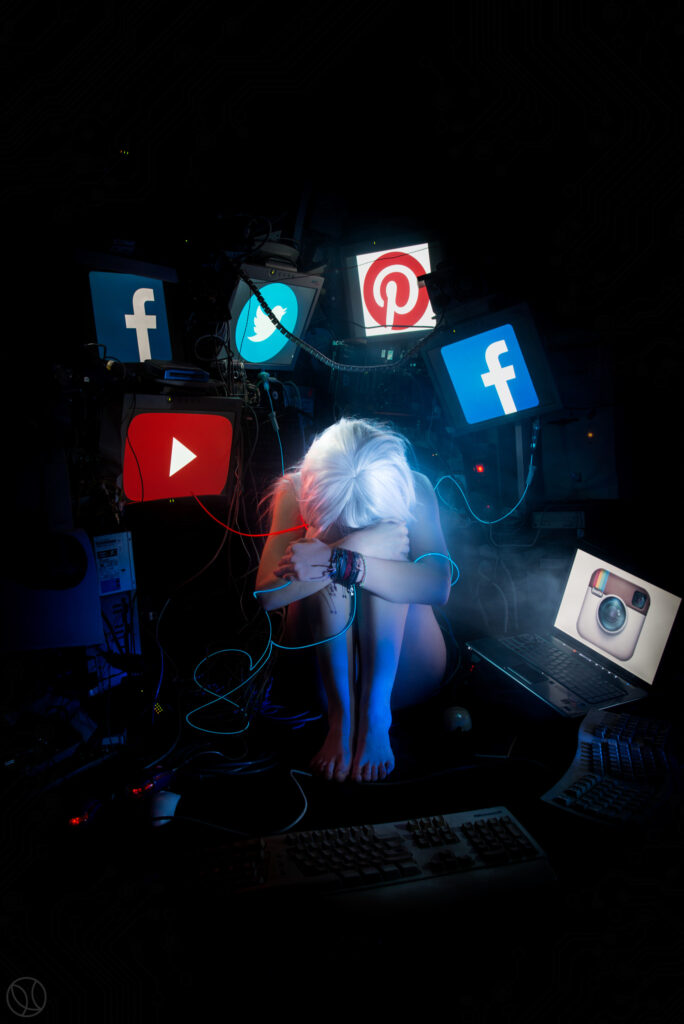
image from wallheaven
What Does It Mean to Network Through Social Media?
Social media links to the network, as a personal learning network PLN, learning is achieved through watching, doing, summarizing experiences, and sharing(Couros, 2010). Platforms such as blogs, LinkedIn, and Mattermost allow users and learners to learn about ideas beyond traditional classroom content. For me, using these software doesn’t feel like a solo performance, but more like participating in a continuous conversation – reading other people’s comments in the comment section, responding, and gradually deepening communication through shared interests and values.
Couros, A. (2010). Developing personal learning networks for open and social learning. In G. Veletsianos (Ed.), Emerging technologies in distance education (pp. 109–128). Athabasca University Press.
Why We Participate in Networked Publics — Risks and Rewards
At first, I may have browsed and used public online spaces just for entertainment, but gradually, I realized that this was not purely for entertainment purposes, but rather stems from curiosity, a desire to learn new things, and a feeling of wanting to be a part of a larger community. Posting comments on public platforms allows me to “try” some immature personal opinions, revise my understanding through feedback from others, and also expose myself to voices from different backgrounds and positions(Jenkins et al., 2009).
Therefore, I did not choose to avoid using applications with a public nature completely, but gradually realized that “conscious participation” itself is a form of learning. By paying closer attention to tone, audience, and expression purpose, I can participate in discussions about learning goals within my comfort zone. This thoughtful way of participation has helped me find a relative balance between risk and reward.
Jenkins, H., Purushotma, R., Weigel, M., Clinton, K., & Robison, A. J. (2009).
Confronting the challenges of participatory culture: Media education for the 21st century. MIT Press.
Personal vs Professional Digital Identity
This event made me realize that even if I control the content I share, digital identity is still influenced by many factors that I cannot fully control. For example, past online activities. So, personal identity and professional identity often overlap and cannot be separated in cyberspace(Stoller, 2018).
This makes me think more critically about my own image on different platforms, as well as others’ thoughts on these contents. Instead of pursuing a highly planned and seemingly perfect image, I prefer to develop a genuine, reflective, and adaptable professional digital identity that better aligns with my long-term learning and development goals.
ERIC STOLLER – What is Digital Identity? https://youtu.be/u0RryRbJza0](https://youtu.be/u0RryRbJza0
Great post Kevin! I resonated with your concluding comments about how an adaptable digital identity that is actually genuine feels like it would also align more with my long-term learning and professional goals.